
Taizhou: China’s Plastic Household Cluster (and the Mold City Inside It)
Every plastic storage box has two birthplaces. The visible one is an injection-molding machine — probably in Taizhou, on Zhejiang's coast, where plastic daily-use goods pour out at a scale that stocks the planet's closets. The invisible one came first: a block of machined steel called a mold, quite possibly cut in Huangyan, the Taizhou district that has spent decades earning the nickname China's mold capital.
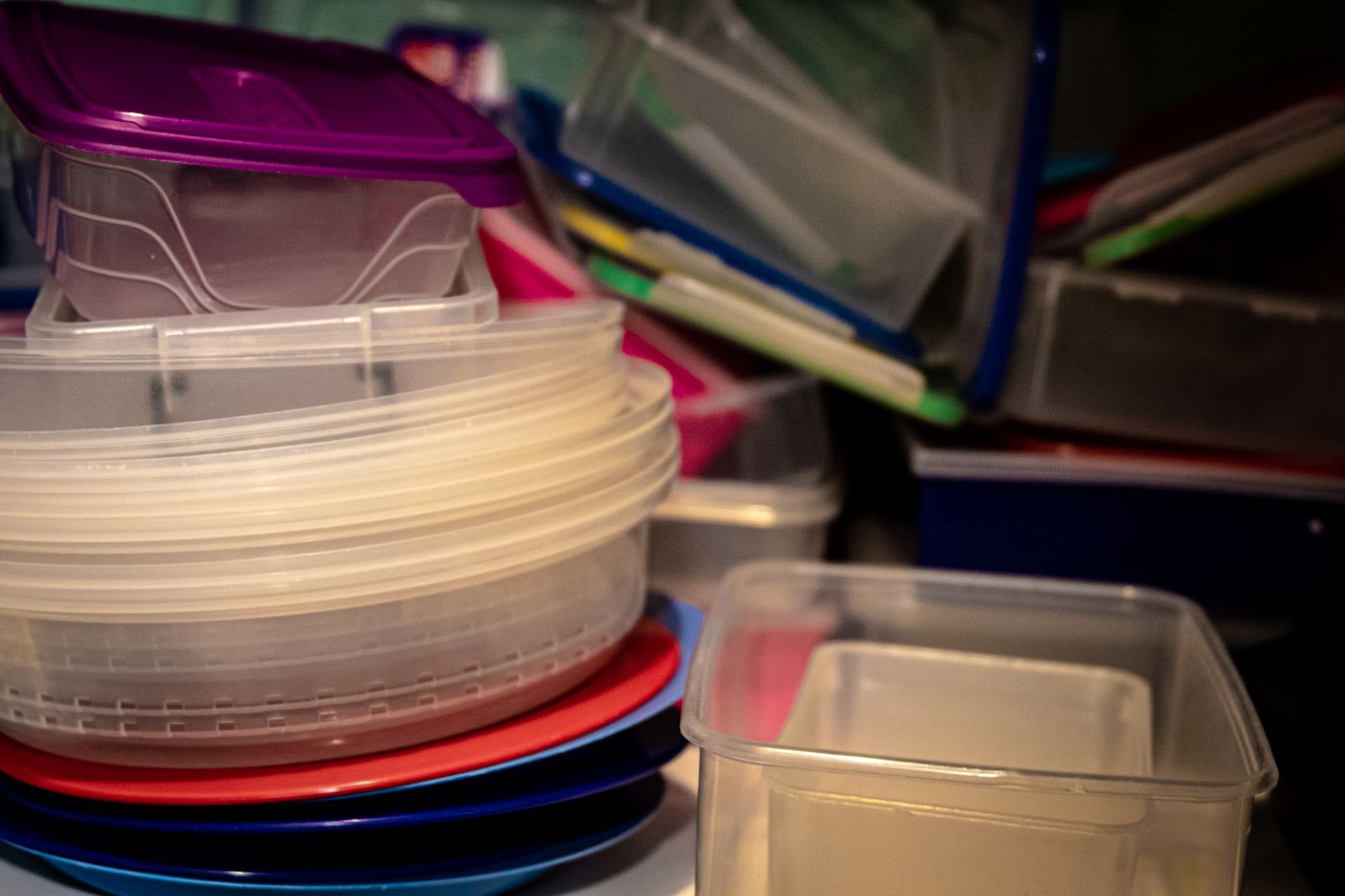
For buyers of storage, organization, and plastic household goods, that second birthplace matters more than the first — because machines are rented by the hour, but molds are owned. And who owns yours is the most consequential clause most plastics POs never contain. Here's the cluster, and the clause.
What the cluster makes, and why it's cheap here
Taizhou's belt covers the plastic household universe: storage boxes and bins, container systems, hangers, laundry baskets, drawer organizers, bathroom goods, mop and bucket assemblies, pet items, and the endless long tail. The economics stack the same way every real cluster's do: resin traders and compounders in the neighborhood, mold shops next door, armies of molding machines competing for utilization, finishing and assembly labor in depth. Ecosystem density is the whole ballgame, and this is well developed in household goods.
Resin is usually the largest single cost in a moulded household item, so a quote that looks too cheap usually means a cheaper resin. Name the resin grade in the spec and ask for it on the quote.
The mold conversation (read this section twice)
Custom plastics means custom tooling, and tooling means money and power. A storage-box mold runs from a few thousand dollars for simple single-cavity work into five figures for multi-cavity engineering. Three ways the deal gets structured, in descending order of your safety:
You pay for the mold, you own the mold — in writing. The PO or a separate tooling agreement names you as owner, records the mold's identity and cavity count, and states it will be released to you or your agent on request. This is the clean version. It costs the most upfront and buys you the only real portability in the plastics world: the ability to move your product to another set of machines if the relationship dies.
The factory amortizes the mold into unit price. Lower entry cost; the mold is theirs, and so — functionally — is your product. Legitimate for commodity designs; dangerous for anything you've differentiated, because your leverage in every future negotiation just took physical form on their shop floor.
"Free mold" for volume commitment. Nothing is free; you're pre-paying with lock-in. Sometimes rational. Always worth pricing consciously.
The Huangyan angle sharpens all of this: because mold-making is a separate industry here, you can commission tooling from a mold shop directly and place molding with a factory of your choosing — a structure sophisticated buyers use precisely to keep ownership unambiguous. And whatever structure you choose, the golden sample plus a recorded mold ID is what makes "same product on reorder" enforceable rather than aspirational.
The mold file: what ownership looks like on paper
"You own the mold" is a sentence; ownership is a file. If your tooling agreement can't produce the following, you own a claim, not a mold. Identity: mold number engraved on the tool itself, cavity count, and the steel grade it was cut from — steel grade because it sets the mold's realistic shot-life, which is the difference between an asset and a countdown. The drawings: 2D/3D files for the product and ideally the mold design, in your possession, not "available on request" — a mold without drawings is portable the way a car without keys is. The trial record: T0/T1 sample reports with the approved trial samples, because "the mold works" is defined by what it produced on the day everyone signed, which is golden-sample territory wearing steel. The maintenance log: molds are machines that wear; a factory that logs cleaning and repairs is treating your asset as an asset. And the release clause in plain words: the mold ships to you or your designated factory within 15 days of written request, storage conditions and any storage fee named — because the polite version of mold hostage-taking is an unpayable "maintenance balance" discovered at exactly the moment you try to leave.
Two Huangyan-specific moves worth their fees. Commissioning the tool from an independent mold shop and supplying it to your molder splits the power cleanly — the molder can't hold what it never owned. And for programs worth protecting, a periodic shot-count check (the factory's shot counter records a mould's mileage) tells you whether your tool is quietly moonlighting on someone else's orders — a genre of flattery this industry occasionally commits.
None of this paperwork costs more than one awkward afternoon. The alternative costs a product line, on the day you least expect to be shopping for one.
Working the cluster well
The market-versus-cluster rule holds: variety and small lots at Yiwu's District 2 and 4 shelves — a healthy share of which is Taizhou plastic wearing a booth markup — while programs with volume, custom colors, or owned designs belong at the source. Taizhou sits a comfortable ride from Yiwu, making combined trips and consolidated containers routine.
Cluster-specific inspection notes: cold-crack flex tests on anything with hinges or tabs; weight-per-piece against the golden sample (resin shaving shows on a scale before it shows on a shelf); color consistency across cartons under decent light — masterbatch drift between production runs is this cluster's signature small sin; and for food-contact items, the migration paperwork in your name, because "the resin supplier has a certificate" is two subcontracts away from meaning anything.
FAQ
Do I really need to think about molds for simple storage boxes?
For stock designs, no — you're buying from existing tooling, and the game is resin and price. The moment anything is yours — dimensions, logo plate, lid interface — the ownership clause is the product.
How do I know if a "factory" here actually molds my goods?
The license pull, then one question with a factual answer: how many machines, what tonnage range? Follow with a video walkthrough. Molding capacity is gloriously countable.
Taizhou versus Guangdong plastics?
Both belts are real; Taizhou dominates the household-goods end of the spectrum while Guangdong skews technical and electronic-adjacent. For storage and organization ranges, this coast is usually your answer.
Custom plastics on your roadmap? Before you sign anything with the word "mold" in it, send me the deal — WhatsApp +86 189 6983 1554 — and I'll tell you who actually owns what under the wording. How we work
Tell us what you want to source.
Send a product link, a reference photo or a supplier quote. We recommend the next step.
Or WhatsApp +86 189 6983 1554