
Factory or Trading Company? How to Verify Who You’re Really Buying From in China
The most common English sentence in Chinese B2B is three words: "We are factory."
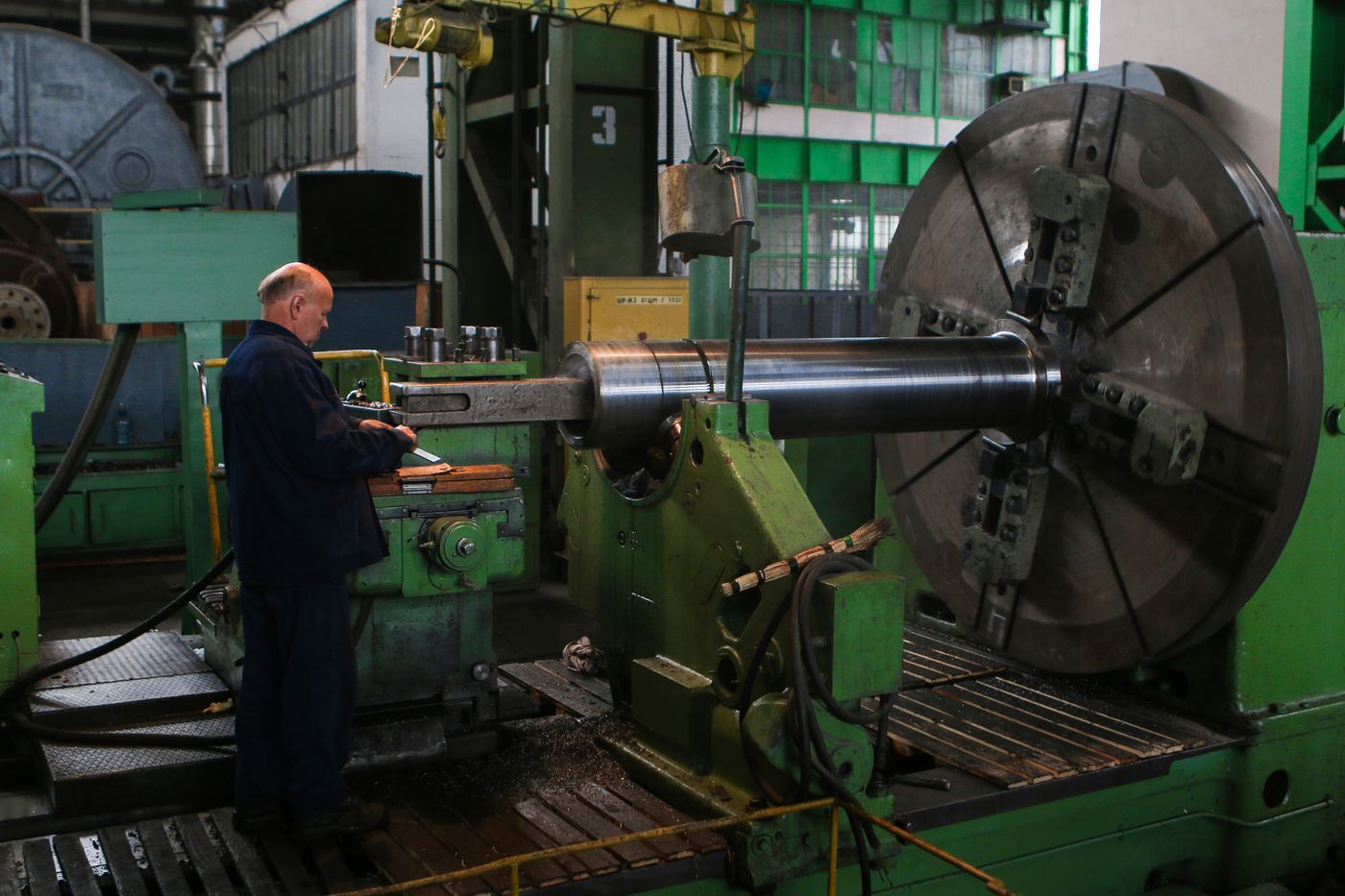
My personal retail-buying experience includes Auchan and Magnit projects.
But first, the part most guides get wrong.
The honest take: trading companies are not the enemy
Buyer's confession: at the retail chains, we knowingly bought through trading companies constantly — and were often right to.
A good trader consolidates five factories into one shipment, one contract, one QC point, one person who answers WhatsApp in English at 11pm. For mixed kitchenware programs at moderate volumes, that coordination is worth real money. Many excellent factories can't export directly, don't speak your language, and have no patience for a 600-piece trial order — the trading layer exists because it solves genuine problems.
The sin isn't the middle layer. The sin is not knowing it's there — paying factory-direct prices in your head while a hidden margin sits in the quote, or believing "our factory" will prioritize your rework when the trader actually has zero leverage over it.
So the goal of verification isn't unmasking villains. It's knowing what you're holding, so you can price it and manage risk accordingly. (Yes, my own company is a middle layer — a declared one, with a published way of working. Declared is the entire point.)
The 20-minute verification ladder
Step 1 — Pull the business license (营业执照). Every legitimate Chinese company has one, with a Unified Social Credit Code. Ask for it; refusal ends the conversation. Then look up the company on Qichacha (企查查) or Tianyancha (天眼查), commercial databases built on China's official company register (GSXT). You'll see registration date, registered capital, legal representative, and lawsuits.
Step 2 — Read the business scope (经营范围). This is the tell. A manufacturer's scope includes production words — 生产, 制造, 加工. A scope that's purely 贸易/批发/进出口 (trade, wholesale, import-export) belongs to a trading company, whatever the email signature says. Also check the registered address: an office tower address for a claimed "factory" is your second data point.
Step 3 — The live video walk. Not the polished factory video — those are shared like business cards. A live video call: "Show me the line running my product category. Show me today's production board. Pan to the mold shop." A real factory does this in five minutes, often proudly. Evasion ("the workshop is closed today," repeatedly) is an answer too.
Step 4 — Match the money to the license. The bank account name on the proforma invoice should match the licensed company name. Payment requested to a personal account or a different company entirely is the single loudest red flag in this entire article — walk away or restructure before wiring anything.
Step 5 — For real volume: the physical audit. Reorder-scale programs justify a half-day visit — production capacity, QC room, material storage, worker count versus claimed capacity. I do these for clients regularly; the visit itself is filmable proof. Can't fly in? That's literally what having someone on the ground is for.
Reading the answer: which layer should you want?
Factory-direct wins when you're concentrated: one product family, real volume, spec-heavy customization, and you have your own QC coverage. The price is better and the control is real — if you can service the relationship.
A trader or agent wins when you're distributed: multiple categories, mixed containers, moderate volumes, no mandarin-speaking staff. You're paying a coordination fee that's cheaper than building coordination yourself.
The worst position is the one most small importers occupy by accident: trader-layer prices with factory-direct expectations, and no idea which one they have. Every fee is survivable; only the invisible ones compound.
One more buyer habit: verify per SKU, not per supplier. Your "factory" supplier may genuinely manufacture the stainless bowls and quietly trade the silicone accessories — which changes whose test reports you're relying on and what happens at inspection.
Choosing a factory or trading company
A factory is not always better, and a trading company is not always worse. The right choice depends on product, quantity, customization and control needs.
When a factory may fit better
- Your product is standardized and the factory has direct experience with the exact category.
- You need technical production discussion, tooling, material control or repeat orders.
- Your quantity is close to the factory MOQ and the factory can support your packaging needs.
When a trading company may fit better
- You need mixed products, lower starting quantities or several related SKUs.
- You need communication, consolidation or category coordination more than deep technical customization.
- The trading company adds real value through supplier control, packaging coordination or order management.
What buyers should verify
- Check whether the supplier has made the exact product before.
- Ask who controls production, QC, packaging and after-sales correction.
- Compare communication quality, quote logic and accountability, not only the supplier label.
FAQ
A verified factory quoted higher than a trading company. How?
Completely possible. A trader moving volume across many buyers can hold better pricing than a factory quoting a stranger's small order. Verify the layer, then judge the number — never assume the layer predicts the price.
Alibaba shows "Verified Manufacturer." Enough?
It's a paid-tier badge with some checking behind it — a decent first filter, not a conclusion. The license scope and the live video walk cost nothing and answer more.
Does this matter if the price and samples are good?
Until the first quality dispute, no. Then it's the only thing that matters — because your leverage runs exactly as deep as your counterparty's actual control over production.
The free 27-point Kitchenware Import Checklist includes this verification ladder as a printable sequence. Open checklist
Or send me a supplier's company name on WhatsApp +86 189 6983 1554 — a registry pull and a straight answer usually takes me under an hour, China daytime.
Tell us what you want to source.
Send a product link, a reference photo or a supplier quote. We recommend the next step.
Or WhatsApp +86 189 6983 1554