
Virgin vs Recycled Plastic in Storage & Kitchen Products: How to Tell What’s in the Resin
This is the third article in an accidental trilogy. Stainless has the 201-for-304 game. Silicone has filler and fake. Plastics — the material behind every storage box, container lid, and cutting board in your program — has the quietest version of all: recycled resin blended into "virgin, food-grade PP."
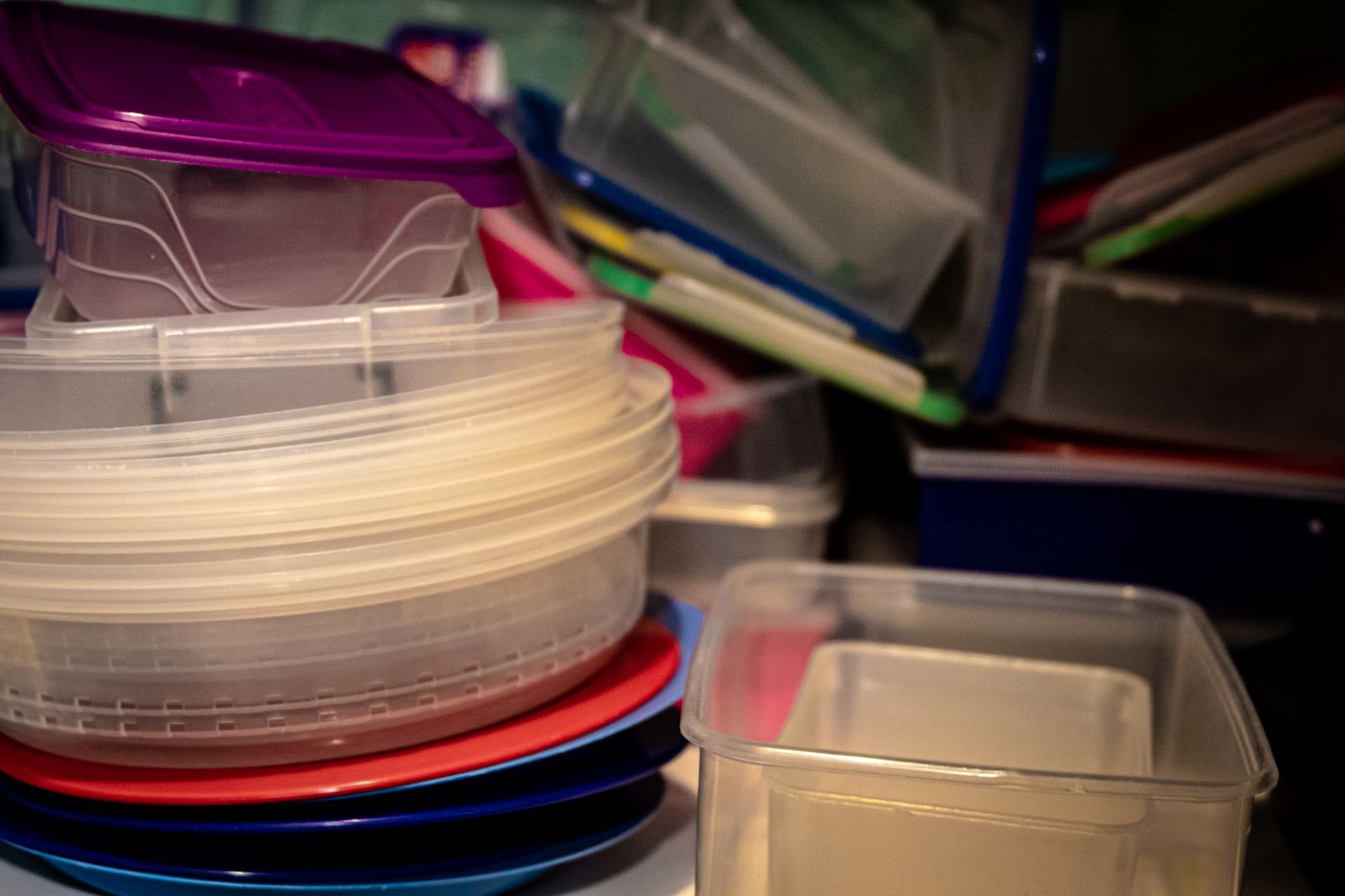
Quietest, because a fresh-molded recycled part looks perfect. The differences arrive later: in the cold, in the sun, in the dishwasher, in a lab report you didn't commission.
As a retail buyer for Auchan and Magnit programs, plastics were where I learned to read products backward — from the price to the resin. Here's that skill, written down.
First, the honest frame: recycled is a tier, not a crime
Recycled PP and PE are legitimate, useful, and increasingly demanded — European retail actively wants recycled content in non-food lines, and a declared-recycled dustpan or storage crate at recycled prices is a perfectly honest product. I bought container-loads of exactly that, on purpose, for price-point programs.
The crime is the usual one in this market: invoice says virgin food-grade, resin says otherwise. And one special case matters: food-contact recycled plastic is a tightly regulated exception (the EU has a dedicated approval regime for it), not something a booth supplier "just does." If a food-contact quote seems to include recycled savings, it's not a discount — it's a compliance problem wearing one.
Why the switch is profitable
Resin is usually the largest single cost in a moulded household item, and recycled or reground resin costs less than virgin. On a thin-margin product, that difference can be most of the factory's profit, which is why the switch tends to happen quietly on reorders. Name the resin grade in the spec, ask for it on the quote, and check it at inspection.
The booth ladder: five checks that cost nothing
1. Transparency is a confession. Water-clear products — food containers, clear organizers — effectively require virgin clarity grades. Recycled content clouds, yellows, or hazes. If it's genuinely transparent, the resin question mostly answers itself; if a "clear" sample looks smoky, so does the truth.
2. Read the color strategy. Recycled resin hides in dark and saturated colors — black, navy, deep gray — because masterbatch covers the base resin's inconsistency. Dark colors aren't proof of anything, but a supplier who only offers dark colors on a "virgin" product is telling you something.
3. Hunt for black specks and swirls. Contamination survives reprocessing. Tilt the part under light: embedded specks, flow marks, color swirls are recycled-stream fingerprints. Check the inside surfaces and bottoms — cosmetics get managed on the faces buyers look at.
4. The smell. Virgin PP is nearly odorless. Recycled blends carry a faint waxy, acrid, or "old plastic" note — obvious in a closed container left in the sun or a hot car. I sniff the inside of lidded samples as a habit; booth owners have stopped being surprised.
5. The cold-weather memory. Recycled-heavy parts go brittle in the cold — the storage box that survives Guangzhou and cracks in a Warsaw January. You can't test winter at the booth, but you can flex-test thin walls and hinges hard. Clean whitening and recovery is one answer; a snap is another.
The two tests that settle arguments
Melt flow and density checks flag off-spec resin cheaply. FTIR / composition analysis identifies the polymer and flags contamination for modest lab cost. And for food-contact SKUs, migration testing in your own name remains the real answer — the report covers the colored, finished product, catching cheap masterbatch too, which is the same pigment trap silicone has.
At inspection, resin checks ride along with everything else: weight per piece against the golden sample (recycled blends often run off-weight), speck counts, odor, flex — recorded next to photos, the boring way.
And the no-lab test that beats them all: the scale. A quoted price below what virgin resin content alone should cost has already told you the recipe. Work backward from the resin price, always. It's the same price-floor logic as everything else in this market.
FAQ
Is recycled plastic unsafe?
For non-food goods — bins, hangers, dustpans, organizers — it's not only safe, it's often the right commercial and environmental choice. Declared, priced, and specified. Food contact is the regulated exception: virgin (or formally approved recycled) only.
The supplier offered "A-grade recycled, same as virgin." Recycled quality genuinely spans a wide range — clean single-source industrial regrind is a different animal from mixed post-consumer scrap. But "same as virgin" is a claim with a test, not a handshake: spec it, sample it, and put the composition in the PO.
Visual, weight and odour observations can flag inconsistencies but cannot quantify recycled content or prove food-contact suitability; agree an appropriate material and laboratory evidence scope.
Ordering storage or plastic kitchen goods? The free 27-point Kitchenware Import Checklist includes the resin checks above. Open checklist
Or the direct route: send the product and target price on WhatsApp +86 189 6983 1554 — I'll tell you what resin that price can honestly contain.
Tell us what you want to source.
Send a product link, a reference photo or a supplier quote. We recommend the next step.
Or WhatsApp +86 189 6983 1554