
The China+1 Reality Check for Kitchenware Buyers (2026 Edition)
Somewhere right now, a board is telling a category director to "have a China+1 plan by Q4." I've been the person receiving that email. Here's the memo I wish someone had handed me — written for household goods specifically, because the China+1 answer for semiconductors and the China+1 answer for garlic presses are not the same answer.
The macro backdrop is real: direct China–US trade has contracted hard — Chinese exports to the US fell by roughly a fifth in 2025 — while Chinese goods increasingly reach Western markets through third countries. Factories and their customers are genuinely rerouting. The question isn't whether diversification is happening. It's whether your SKUs belong in that flow, and whether the version you're being sold is diversification or theater.
Start with what the tariff math actually says
The tariff gap is why buyers look beyond China, so start there, product by product. For a US importer, Chinese kitchenware carries the normal duty, the original Section 301 tariffs on many lines and, since 24 July 2026, a further 12.5% Section 301 tariff unless the product is exempt. Many alternative origins were hit by the same July action at 10% or 12.5%. Compare the landed cost of the same SKU from each origin, not a headline percentage: a few points of duty can disappear into higher unit prices, new tooling and a second round of samples.
The part nobody puts on the slide: the ecosystem
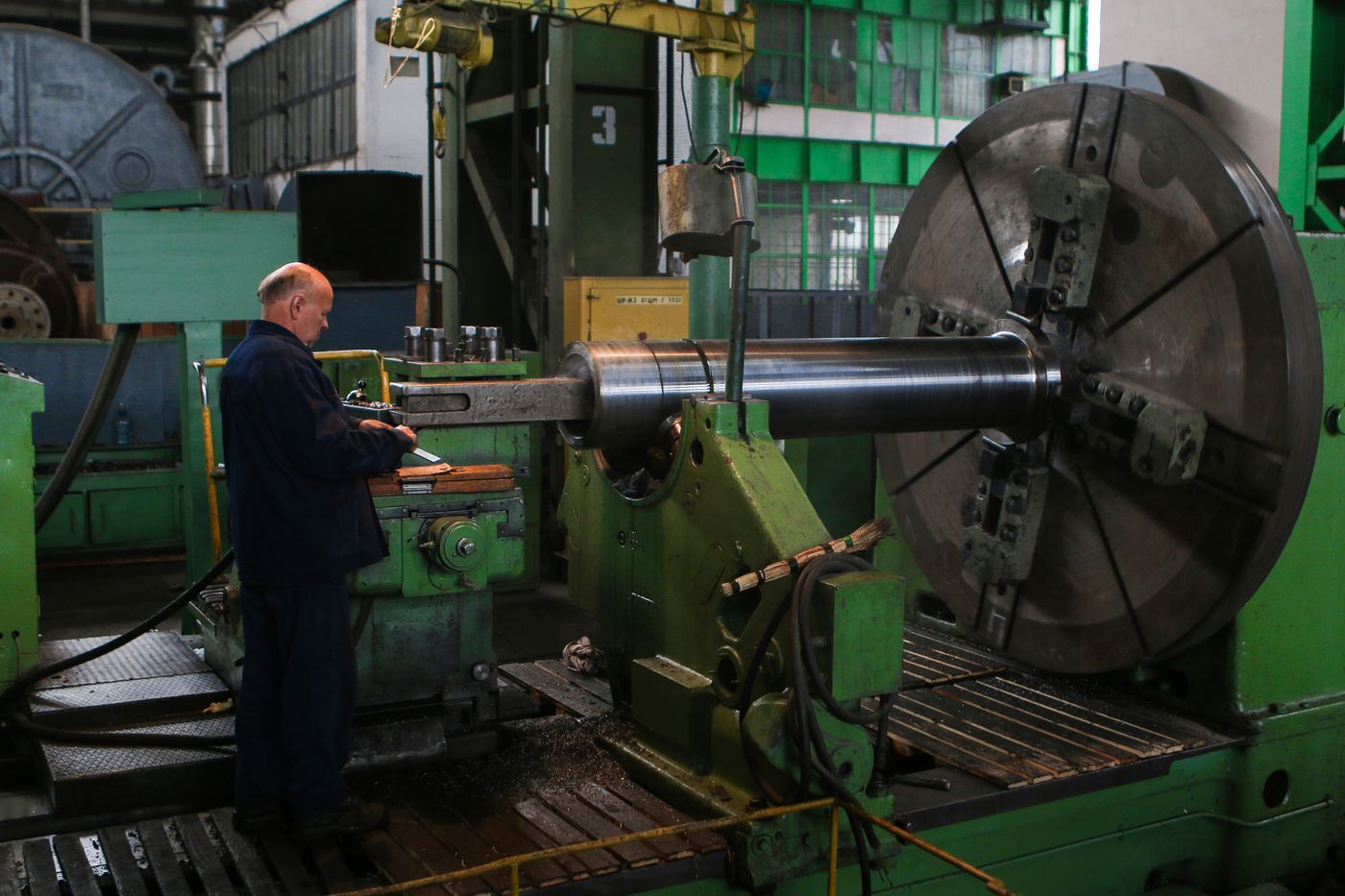
A Chinese kitchenware factory sits inside a supply chain: coil steel, moulds, gaskets, printed boxes and cartons are all within a day's drive. In most "+1" countries some of those parts still come from China, which adds lead time and cost that the first quote doesn't show.
Move production and you don't move the neighborhood. Early China+1 buyers in this category discover it one invoice at a time: molds still cut in China, raw materials still imported, packaging still printed across the border, a sample loop that went from days to weeks. None of it fatal. All of it cost — and none of it on the first quote you were shown.
Where the +1 case is genuinely strong: India for stainless steel is the serious exception in our world — a real domestic steel base and generational cookware clusters, competitive on exactly the flatware and cookware lines that carry China's heavier tariff load. Vietnam earns its place on furniture-adjacent, wood, and simpler high-labor goods. For big single-SKU programs at high volumes — the 40-containers-a-year kind — a second origin can be worth every setup dollar as leverage alone.
Where it's theater: mixed containers, fast-turning assortments, low-value dense goods, anything needing deep material verification or quick development loops. The five-day mixed container does not exist anywhere else. Yet.
The hidden-cost ledger (what the first quote never shows)
What a change of origin really costs, beyond the unit price:
- New moulds or tooling, unless the old ones can be moved.
- New samples, a new golden sample and new lab tests in the new factory's name.
- Longer lead times while components still travel from China.
- Higher minimums while the new factory learns the product.
- Travel, inspections and management time to set up a second supplier.
- Running both suppliers in parallel for 12–18 months until the new one is proven.
The trap wearing a +1 costume
One more pattern, because 2026 has made it dangerous: the "Vietnam origin" offer from what is functionally a Chinese trader with a warehouse across the border. Customs authorities are no longer squinting politely at this — Washington applies a substantial-transformation test, simple relabeling doesn't pass it, and Hanoi itself has been tightening origin controls under US pressure. If your +1 supplier can't document where the value was actually added, you haven't diversified your supply chain. You've concentrated your legal risk — with your company's name on the customs entry, not theirs. Verify the entity and verify the transformation, or don't sign.
The decision tree I'd actually use
Ask four questions per product family, in order. What's the true tariff delta on my exact HTS codes — both worlds, dated? Is my volume concentrated enough in one SKU family to amortize new tooling, new compliance testing, and a defect learning curve? Does the alternative origin have the material ecosystem my spec depends on — or will the inputs quietly ship from China anyway? And can I afford the eighteen months of parallel running that a real transition takes — because the buyers who got hurt weren't the ones who moved or stayed, they were the ones who switched off China before the new origin was proven.
For most mid-size household-goods importers, the honest answer lands on some version of: keep China as the backbone, qualify one genuine second origin for your highest-tariff or highest-volume family, and let them see each other's names on your quote sheet. Diversification you can't afford to use is a press release. A second origin your Chinese supplier knows about is a negotiating position — and unlike the theater version, it works even if you never ship a container from it.
The tariff and policy references here are as of mid-July 2026 and marked where they move. They move.
Weighing a second origin for a specific product family? Send me the SKUs, volumes, and HTS codes — WhatsApp +86 189 6983 1554 — and I'll give you the honest side-by-side, including the costs that don't appear on first quotes. How we work
Tell us what you want to source.
Send a product link, a reference photo or a supplier quote. We recommend the next step.
Or WhatsApp +86 189 6983 1554