
Food Storage Containers from China: Lids, Seals, and the Leak-Test Protocol
Here's the category in one sentence: a food storage container is a lid with a box attached, and everyone prices the box.
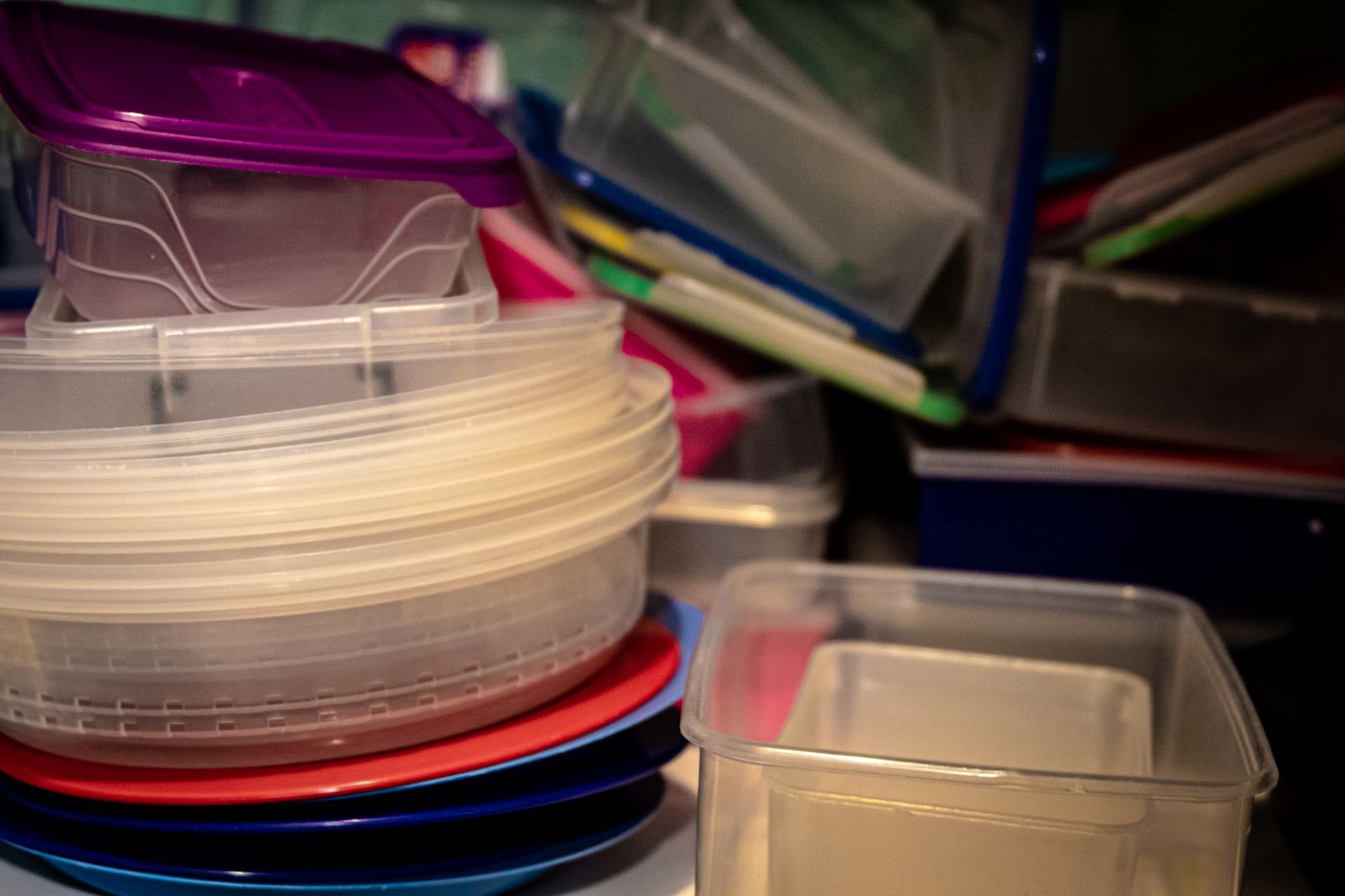
The box is trivial — an injection-molded PP or a glass body, mature tooling, thin margins. The lid is where the engineering lives: the locking geometry, the gasket, the valve, the hinge that survives (or doesn't) its four-thousandth open. When I ran storage reviews for retail programs, the returns data barely mentioned boxes. It was lids, all the way down.
Seal architecture, buyer's version
The market runs on three systems. Four-side lock with silicone gasket — the flip-tab design — is the mainstream: genuinely airtight when built right, and the most component-rich, which means the most places to cheat. The tabs are a resin question (recycled blend = tabs that whiten and snap in the freezer); the gasket is a silicone question (filler-loaded gaskets compress once and stay compressed). Snap-over lids — cheaper, simpler, honest for dry goods, a lie when marketed as leakproof. Screw and valve systems — the premium tier, where the valve adds microwave-venting claims and one more part to fail.
The professional move is refusing the word "airtight" as an adjective and demanding it as a test.
The leak-test protocol (put this paragraph in your PO)
Write it as procedure, not aspiration: fill to two-thirds with water, close per instructions, invert over absorbent paper for 5 minutes, then shake 10 times laterally — zero seepage at the seal line. For "airtight" claims, add the water-bath version: submerge the closed empty container; bubbles are a verdict. At inspection this runs on the AQL sample alongside a gasket-seating check (pull the gasket, reseat it — a gasket that won't reseat won't survive a dishwasher) and a tab-cycle count: open-close each sampled lid twenty times. Boring, fast, and the difference between a claim and a spec.
Two freezer-to-microwave realities worth writing down. Cold is the resin's exam: recycled-blend PP goes brittle exactly where a freezer lives, so the flex test happens cold if the packaging promises freezing. And microwave claims are body-and-lid separately — a microwave-safe PP box under a lid whose valve or gasket isn't rated is a half-true claim your customer will complete in their kitchen.
Materials and the paper behind them
PP bodies want virgin food-grade resin with migration data; glass bodies fork into borosilicate versus tempered soda-lime — an honest trade-off that gets its own article; gaskets want food-grade silicone with the test report naming the gasket, not the body. The classic paperwork sleight-of-hand in this category: a beautiful LFGB report for the PP box, silence about the lid assembly. Read what was tested, not the cover page.
The claims matrix: microwave, freezer, dishwasher, oven — per component
Storage packaging loves icons — the little microwave, the snowflake, the dishwasher glass. Each icon is a testable claim, and the discipline that keeps you out of trouble is running the matrix per component, not per product, because a container is an assembly and its weakest member owns the claim.
Work the grid: Microwave — PP bodies generally yes; lids only if the gasket and any valve are rated, and even then "lid ajar" is the honest instruction. A microwave icon on a box whose valve deforms at the third reheat is a refund with artwork. Freezer — the resin question in its coldest form: virgin PP flexes at −18°C where recycled blends crack, and tab-lock lids concentrate exactly that stress; if the snowflake is on the box, the flex test at inspection happens on chilled samples, full stop. Dishwasher — "top rack" is doing heavy lifting in that phrase: it's a temperature claim about the gasket and the print, which is why gasket reseating and label adhesion get cycled at sampling. Oven — plastic never; glass, only per its own article, and only to the number your lab signed.
Then align three layers that drift apart in real programs: what the test reports cover, what the packaging icons claim, and what the listing copy promises. I've audited ranges where the lab said 100°C, the box implied boiling, and the Amazon bullet said "oven-safe" — three departments, three truths, one recall pathway. The fix costs a spreadsheet: one row per SKU, one column per claim, a report reference in every cell that has an icon. Hand that grid to your supplier as part of the spec and you'll learn more about them from the response than from any factory tour — the ones serving structured retail have this grid already; the ones who reply "all safe, no problem" have just filled the grid in for you, honestly, with their business model.
The freight trap hiding in a nice product
Containers are boxes of air, and air ships at full price. Nesting geometry — bodies that stack inside each other, lids that flat-pack separately — routinely moves the landed cost more than any FOB negotiation. This is a design question to raise before tooling, and it's the category where carton engineering pays its biggest single dividends. A set that nests badly is a discount you gave the shipping line.
Range logic from the retail chair
Storage sells in systems, not units — the customer who buys three sizes wants the fifth and seventh to exist, in the same lid language, next season. Which means supplier continuity matters more here than in one-off SKUs: switching factories mid-range strands your customers' lids. Choose the supplier like you're choosing a platform — verify the entity, seal a golden sample per size, and treat the gasket color and tab geometry as brand assets under change control. It also means the reorder discipline is existential: a quiet gasket-material swap on reorder three doesn't just degrade a SKU, it breaks a system your customer already owns half of.
FAQ
Glass or plastic for a Western range?
Both — different aisles. Plastic wins lunchbox and freezer economics; glass wins oven-to-table and the premium gift set. The mistake is one lid design language across neither.
A cheap container is usually cheap in the gasket, the wall thickness or the resin. Ask for those three on the quote and the price difference explains itself.
Vacuum containers with pumps — worth stocking?
High perceived value, high failure surface (pump + valve + seal). If you enter, double the cycle counts at inspection and stock spare seals as an SKU — the aftermarket is where that niche's loyalty lives.
Building or fixing a storage range? Send me your current lid design and target prices — WhatsApp +86 189 6983 1554 — and I'll tell you where the engineering is honest and where it's hoping. Pre-payment discipline: the free 27-point Kitchenware Import Checklist.
Plan the next step for your order
Use the related guides to clarify your requirements, then choose the service that matches the work you need.
Or WhatsApp +86 189 6983 1554