
Samples: How to Pay, Ship, and Read Them Like a Buyer
Everyone agrees samples matter. Almost nobody treats the sample stage as what it actually is: the cheapest information-buying opportunity in the entire sourcing process, and the last one before information starts costing five figures. Most importers use samples to answer one question — do I like it? — and skip the other five questions a sample can answer for the same courier fee.
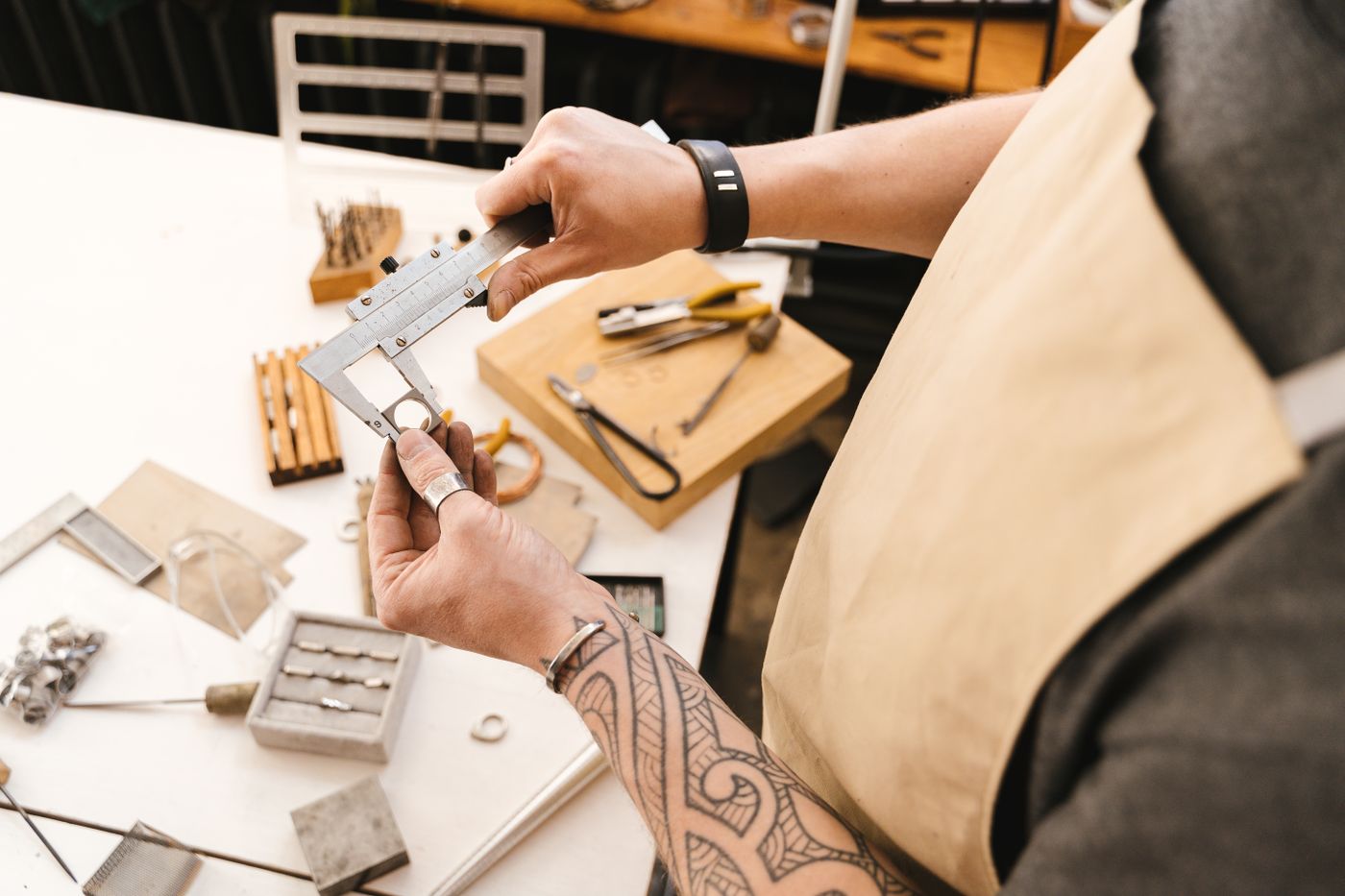
Here's the full sample playbook: the money, the logistics, and the evaluation discipline that separates buyers from shoppers.
The money: who pays what, and what it signals
Agree sample fees, courier cost, ownership and any order credit with the supplier in writing; a sample credit is a negotiated term, not a universal convention.
Stock, custom and tooling samples can have different fees and approval steps; request an itemised quote, lead time and any credit arrangement before paying.
Courier reality: international express on a small parcel runs real money, which is why the professional pattern is consolidated sampling — samples from five suppliers converge at a China-side address and fly as one box. Half the cost, one customs event, and — the underrated part — they arrive together, which is what makes comparison honest.
The logistics habits that prevent later grief
Photograph before unboxing, and keep the packaging. The sample's box, padding, and labels are evidence of what the supplier considers acceptable presentation — and the reference point if the bulk goods arrive packed worse.
Label instantly. Supplier name, date, quoted price, spec version — on a tag, on the sample, the moment it's unwrapped. Six samples of similar spatulas become anonymous within a week; an unlabeled sample library is a pile of plastic.
One sample is never enough for a decision. For anything custom, the sequence is: initial sample (judges capability) → revised sample (judges responsiveness — how they handle your correction notes tells you more than the first sample did) → pre-production golden sample, sealed (judges nothing; becomes the law). Buyers who order bulk off sample one are gambling on a first draft.
Reading a sample like a buyer: the six-question evaluation
This is the section that earns the article. Put the sample on the bench with the toolkit and interrogate it:
1. What is it actually made of? Weigh it. Measure walls. Run the magnet and drops on steel, the twist test on silicone, the flex and smell tests on plastics. Record every number — these become the spec sheet's baselines.
2. Where will it fail? Attack the moving parts: cycle the lid fifty times, torque the handle, drop it the way a customer's kid will. A sample that survives your worst afternoon predicts warranty rates better than any certificate.
3. Is this the best piece they'll ever make, or a representative one? Assume the former — every sample is the display-case version of the truth. Which is exactly why the sample's measurements go into the spec with tolerances, and why inspection compares bulk against the sealed sample, not against memory of how nice it seemed.
4. What does it cost to be this good? Reverse the price from the materials in your hand. A sample that's clearly better than its quote can honestly support is either a loss-leader or a preview of a different bulk spec.
5. Does it survive its own claims? Every icon and adjective on the intended packaging gets tested now — the microwave, the freezer, the dishwasher, the insulation hours — because the sample stage is when a failed claim costs a revision, not a recall.
6. What would my most annoying customer say? Hand it to someone outside the project for five unbriefed minutes. The flaw they find in five minutes is the one-star review you just prevented.
Then the discipline that converts evaluation into protection: the numbers go into the spec sheet, the approved unit goes under seal, and the correction notes go to the supplier in writing. A sample evaluated but not documented is a nice afternoon; a sample documented is a contract's foundation.
The sample library: turning leftovers into an asset
The evaluation ends; the samples remain — and what most importers do with them (a drawer, then a bin) throws away three future uses that cost nothing to keep.
The winner's twin becomes law. The approved unit goes under seal as the golden sample — but keep its unsealed sibling on the shelf too, as the working reference you can handle, photograph, and show customers without breaking a signature.
The runners-up become negotiation instruments. Supplier B's sample — the one that lost on lid engineering but won on price — is a physical fact you can place on a table during next year's price discussion with Supplier A, or the starting point when qualifying the backup. "We have alternatives" is a sentence; a labeled competitor sample is evidence.
The failures become your training set. The filler-loaded silicone that whitened, the recycled-blend tab that snapped cold — keep the best bad examples, labeled with what's wrong. They train new staff, calibrate your inspector's defect boundaries faster than any document, and — the underrated use — they make your supplier conversations concrete: "not like this one" with the object in hand ends spec debates that paragraphs prolong.
Housekeeping that keeps it an asset instead of clutter: one labeled box per product family, each sample tagged (supplier / date / price / verdict), a phone photo of the box's contents into the product's cloud file, and a ruthless annual cull — keep the sealed twins, the working references, one best-of-breed competitor, and the two most instructive failures. Everything else earned its bin. A disciplined sample shelf is a two-square-meter archive of your entire negotiating history — and unlike the digital files, nobody can dispute what everyone can hold.
FAQ
How many suppliers should I sample per product?
Three is the working number — enough for real comparison, few enough to evaluate properly. Ten samples skimmed teach less than three interrogated.
Should I tell suppliers they're being compared?
Yes, plainly — it's normal, it's motivating, and their reaction to competition is one more data point. What you don't share is the other quotes.
Samples passed, bulk failed. What went wrong?
Usually: no sealed reference, no tolerances, no inspection — the sample answered "can they," and nobody built the system that answers "did they." That system is three documents (the spec sheet, the sample approval record and the PO) and a ritual: sealing the golden sample, and it starts the day the sample passes.
Building a sample round for a new range? Tell me the SKUs — WhatsApp +86 189 6983 1554 — and I'll coordinate consolidated sampling, run the six-question evaluation on this side, and send you the documented verdicts with the box. How it fits the process
Tell us what you want to source.
Send a product link, a reference photo or a supplier quote. We recommend the next step.
Or WhatsApp +86 189 6983 1554