
Factory Audit vs Product Inspection: Which One You Actually Need
Somewhere right now, an importer is paying for a factory audit to answer a question only a product inspection can answer — and another is skipping the audit that would have saved them, because "we already do inspections." The two services get confused constantly, they solve completely different problems, and buying the wrong one feels responsible while protecting nothing.
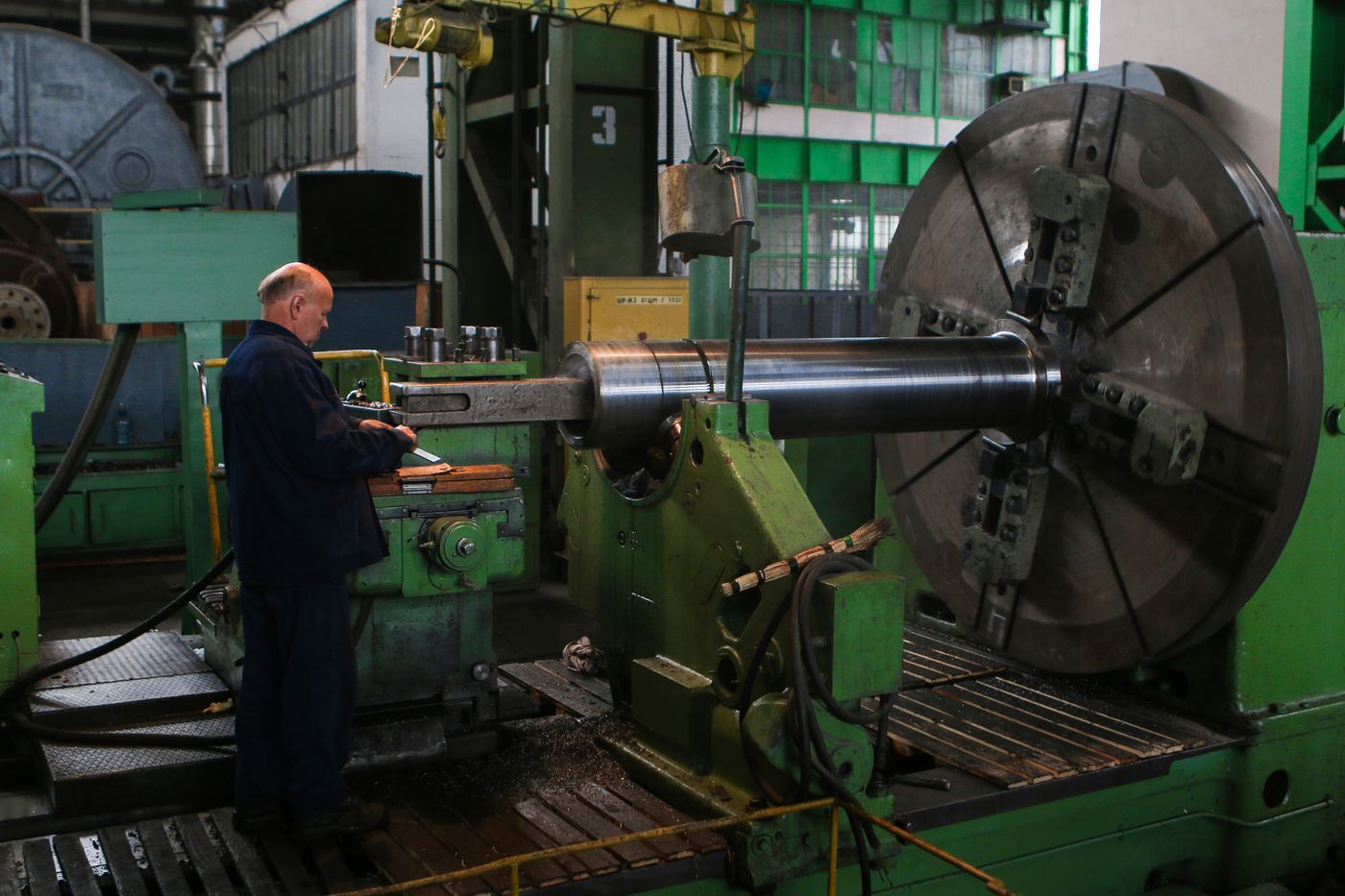
The clean distinction: an audit judges the company. An inspection judges the goods. An audit can tell you a factory is real, capable, and organized — and their next shipment to you can still be garbage. An inspection can tell you this shipment is perfect — and the company behind it can still be a subcontracting shell that collapses on order three. Different questions, different tools.
What a factory audit actually examines
An auditor spends a day at the site before you commit, and comes back with answers about the organization: Is it a real manufacturer — machines, workers, production in motion — or a trading office with a borrowed showroom? Does capacity match your volumes (machine count, shifts, current order load)? Is there a functioning quality system — incoming material checks, in-process QC stations with people actually at them, calibrated equipment, records? What's the compliance posture — certifications that are real and current, social-compliance basics if your customers ask? And the soft read a good auditor delivers: housekeeping, material storage discipline, whether the sample room is alive.
An audit checks an agreed scope at a particular time; request the provider’s scope, quote and limitations, and keep product inspection separate.
What a product inspection actually examines
An inspector meets your specific order — mid-production or pre-shipment — and answers: do these goods match the sealed golden sample and the PO? Sampling per AQL, defects counted against your classification sheet, materials verified (XRF on the steel, flex tests on the resin), packaging and carton checks, function tests per product. What it buys: confidence about this shipment — and nothing beyond it.
The decision guide, honestly
Audit first, inspect always is the retail-department default, but small importers can be smarter about when each earns its fee:
Audit when the relationship is about to get expensive: before a first large order or tooling investment with a new supplier (especially before molds get cut); when a supplier will hold your golden samples, tooling, or exclusivity; when your own customers require audited supply chains (EU retail increasingly does); or when something smells off — prices below the floor, evasiveness about the production address — and you want eyes before money.
Skip the audit when the order is small and stock-based (a mixed Yiwu market trial doesn't need a corporate biography — it needs the 20-minute license check and a good inspection); or when you're buying through a layer that already audited the source and will show you the evidence.
Never skip the inspection. This is the asymmetry that decides most budgets: an audited factory can still ship you a bad batch — busy season, new workers, a reorder they assumed you'd stopped checking. The audit is judgment about character; the inspection is proof about goods. When forced to choose on a tight budget, retail buyers choose the inspection every time, because you can survive a disorganized supplier who ships good goods, and you cannot survive the reverse.
One more honest note: the free audit theater you'll be offered — "come visit our factory!" — is real information but curated information. A hosted tour shows you the factory's best day. A third-party audit shows up with a checklist and counts things. Both have value; only one is evidence.
The combined play most buyers miss
The cheapest professional move is sequencing the two: a light audit (or an agent's verification visit) before the first PO answers "is this company real and right-sized," then DUPRO plus final inspection answer "is this order right" — and from order two onward, the audit never repeats but the inspections never stop. Companies change slowly; batches change every run. Match the tool to the speed of the thing it's checking.
Reading an audit report like a buyer
An audit's value isn't the PDF; it's what you interrogate in the PDF. The sections that carry real signal, and how to read them:
The capacity math, recomputed by you. Reports state machine counts and claimed monthly output; divide one by the other and sanity-check against your product's cycle time. Numbers that don't reconcile mean either optimistic answers or subcontracting the report didn't surface — both worth a direct question before the PO.
The QC records sampling, not the QC room photo. Every factory has an inspection bench for photo day. The tell is whether the auditor sampled actual records: incoming material logs with dates and signatures, in-process check sheets from ordinary Tuesdays, calibration stickers that aren't expired. Ask your auditor explicitly: "did you pull records at random, and what did the worst one look like?" The answer to the second half is the audit.
The disclosure gaps. What a report doesn't mention is a finding: no statement on subcontracting policy, no comment on material storage, workforce numbers that appear once and never reconcile with line counts. Glossy audit reports fail exactly the way glossy factories do — at the seams between sections.
The follow-up call. Fifteen minutes with the auditor after reading beats an hour re-reading. Three questions earn their airtime: what surprised you, what would you check again in six months, and would you run your own order through this factory? Auditors hedge in writing and talk straight on calls — the gap between their PDF and their voice is often the most honest data point you'll buy all year.
FAQ
Can one visit do both?
Partially — an inspector at the factory inevitably sees the factory. But an audit mid-inspection is a glance, not a judgment. If both questions are open, budget both answers.
Are supplier-provided audit reports (BSCI, ISO certificates) enough?
They're a starting point — verify the certificate numbers with the issuing body, check dates, and remember documents borrow easily in this market. A current, verifiable third-party report can genuinely substitute for your own audit. An unverifiable PDF cannot.
What does an audit miss?
Intent. A capable, organized factory can still choose to cut your corner in a hungry quarter — which is what the inspections are for. No document protects a buyer who stops checking.
Not sure which your next order needs? Tell me the supplier, the order size, and what's at stake — WhatsApp +86 189 6983 1554 — and I'll tell you honestly which checkpoints earn their fee and which don't. How I verify
Tell us what you want to source.
Send a product link, a reference photo or a supplier quote. We recommend the next step.
Or WhatsApp +86 189 6983 1554