
During-Production Inspection: Agree an Early Checkpoint
Here's the uncomfortable truth about the pre-shipment inspection everyone (including me) tells you to book: by the time it happens, the goods already exist. If the inspection finds the wrong resin, the wrong coating, the wrong gauge — you now own a choice between three bad options: accept degraded goods, demand rework that wrecks your timeline, or reject a finished order and start a war. The pre-shipment inspection tells you the truth. It just tells you the truth too late to change it cheaply.
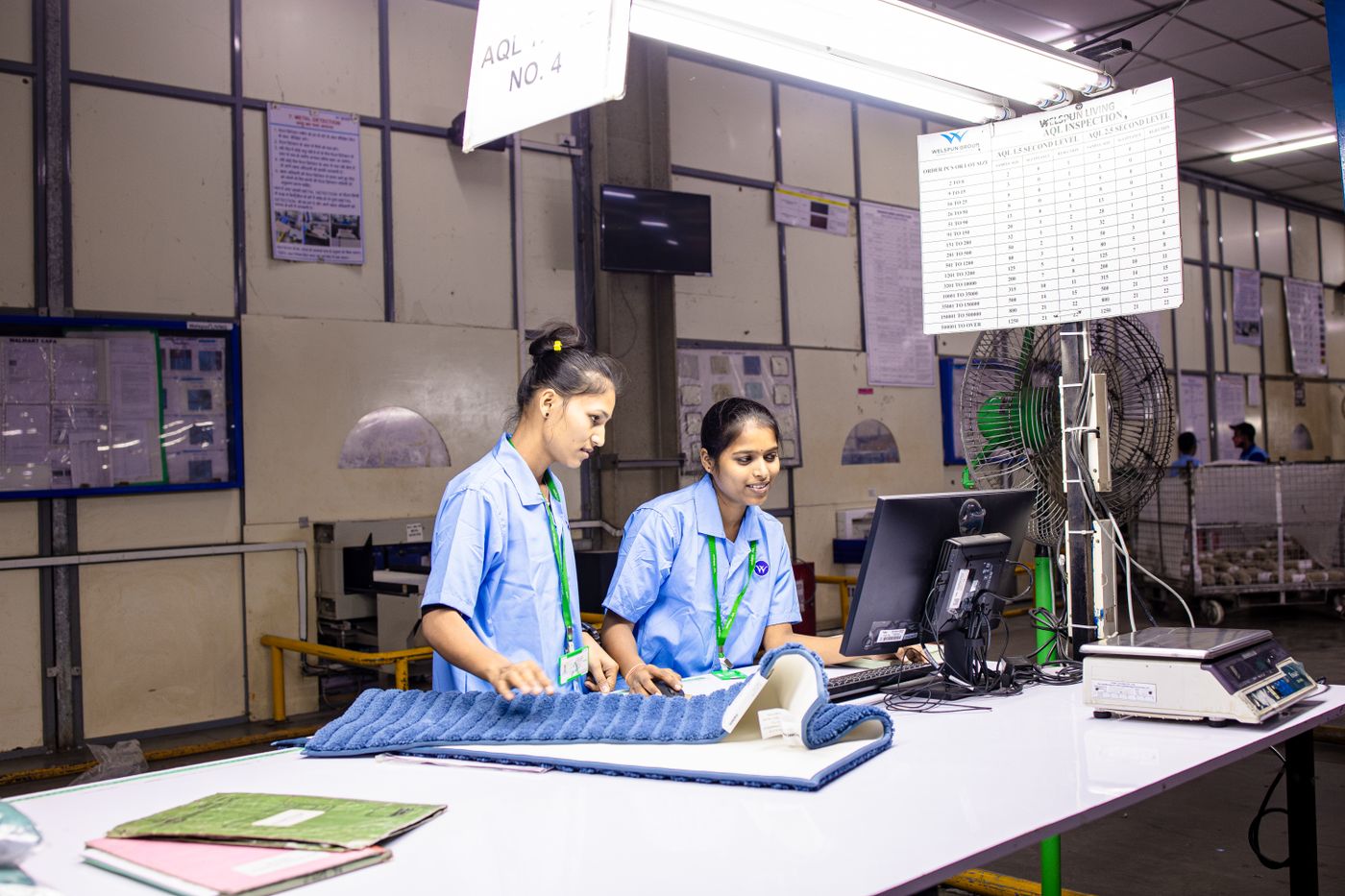
Book a during-production inspection once the first 20–30% of the order is finished and packed, while there is still time to correct the rest.
What a DUPRO actually is
An inspector visits the factory mid-run: first finished units are pulled and checked against the golden sample, materials are verified while raw stock is still on the racks, and the production pace is counted against your delivery promise. Two or three hours on-site. Same day-rate economics as a final inspection.
A problem found at 20% costs a fix to the remaining 80%; the same problem found at final inspection can cost the whole order.
What it catches that final inspection can't fix
Material substitution, while the material is still visible. At final inspection, verifying resin or steel grade means testing finished goods. At DUPRO, the raw material is sitting in the intake zone with labels on it — coil certs, resin bags, silicone drums. Matching what's on the racks to what's on your spec takes minutes and settles arguments before they exist.
If the material or spec has drifted, stop that part of production in writing, agree the correction, and check the first corrected units before production resumes.
Schedule fiction. Count active stations, count finished cartons, divide by days remaining. If the math says your "on schedule" order needs the factory to triple its pace, you've just learned about your delay weeks before the factory would have told you — which is exactly the window in which freight bookings and customer promises can still be adjusted with dignity.
Subcontracting surprises. Mid-run is when you discover whether the factory you vetted is the factory producing — or whether your order quietly moved to a cousin's workshop. The entity question doesn't end at the PO.
When DUPRO earns its fee — and when it doesn't
Honest triage, because no one needs every checkpoint on every order. DUPRO earns its keep when: it's a first order with a new supplier (you have no history to trust); the order is large or seasonal (a Q4 order that fails final inspection is a dead program, not a delayed one); the product has hidden construction — coatings, gaskets, gearboxes, laminates — where problems bury themselves; or your timeline has zero slack, meaning rework after final inspection equals a missed window.
Skip it when: it's a reorder of a stable SKU from a proven supplier (put the budget into the final inspection you should never skip); the order is small enough that the inspection fee is a meaningful percentage of the goods; or the product is simple, visible, and cheap to rework.
One honest caveat from the buyer's chair: a DUPRO is a snapshot, not surveillance. A factory that wants to cut corners after your inspector leaves, can. What DUPRO really buys is three things: early information, a factory that has seen you check (which changes behavior more than any contract clause), and evidence with dates on it if things later go wrong.
Making it work without flying anywhere
Remote buyers run DUPRO the same way they run everything: someone local with product knowledge walks the line, and the deliverable is photographic — first-offs beside the sealed sample, material labels legible, station counts, and a one-page read: on spec / off spec / at risk, and what to demand this week. On my orders it folds into the production-follow-up rhythm; as a standalone it books like any inspection. Either way the sequence is what matters: verify at the start (golden sample), check in the middle (DUPRO), prove at the end (AQL final) — three gates, each cheap, and between them they make the expensive surprises nearly impossible.
What to do with the findings (the part that makes it worth the fee)
A DUPRO that ends with a report ends half-done. The value is the corrective loop, and it runs on a clock: findings land the same day, with photo pairs — first-off unit beside the sealed golden sample, material labels legible, station and carton counts stated as numbers. Within 48 hours, the factory confirms in writing what changes and from which unit number — "we will be more careful" is not a corrective action; "gasket supplier reverts to the approved source from unit 4,000 onward" is. For anything material-level, demand the evidence photo of the correction itself, not a promise of one.
Then wire the loop into money and calendar. If the finding was serious, the final inspection scope expands to specifically re-verify it — and the factory knows this at correction time, which is most of why corrections actually happen. If the finding was schedule fiction, this is the week you rebook freight, warn customers, or trigger the backup — with two weeks of runway instead of a fait accompli. And if the factory disputes the finding? That's what the golden sample and the photo pairs exist for: the argument happens against evidence, mid-run, while your balance payment is still unpaid leverage — which is the single most persuasive position a buyer ever occupies.
One habit that compounds: file every DUPRO's findings into the SKU's order file next to the sample records. Three orders in, the file is your supplier's real quality biography — more honest than any audit, because it's written in their own mid-run behavior.
FAQ
How much does a DUPRO cost?
Same order of magnitude as a final inspection — a day rate. Against a five-figure order with a hard deadline, it's a rounding error that occasionally saves the whole line item.
Usually when 20–30% of the order is finished and the first cartons are packed. For long runs, add a second visit around the midpoint.
Can the factory just show my inspector a Potemkin corner?
A generalist inspector, maybe. Someone who knows the product counts materials, stations and cartons — theater is expensive to fake at that level of arithmetic.
Placing a first order or a deadline order? Tell me the product and the timeline — WhatsApp +86 189 6983 1554 — and I'll tell you honestly which of the three gates your order actually needs. How we work
Tell us what you want to source.
Send a product link, a reference photo or a supplier quote. We recommend the next step.
Or WhatsApp +86 189 6983 1554