
Incoterms for Importers: FOB, EXW, DDP in Plain Buyer Language
Example comparison: supplier A quotes USD 0.58 EXW and supplier B USD 0.64 FOB for the same stated item; these are invented values, and the cheaper total depends on the agreed place and additional costs.
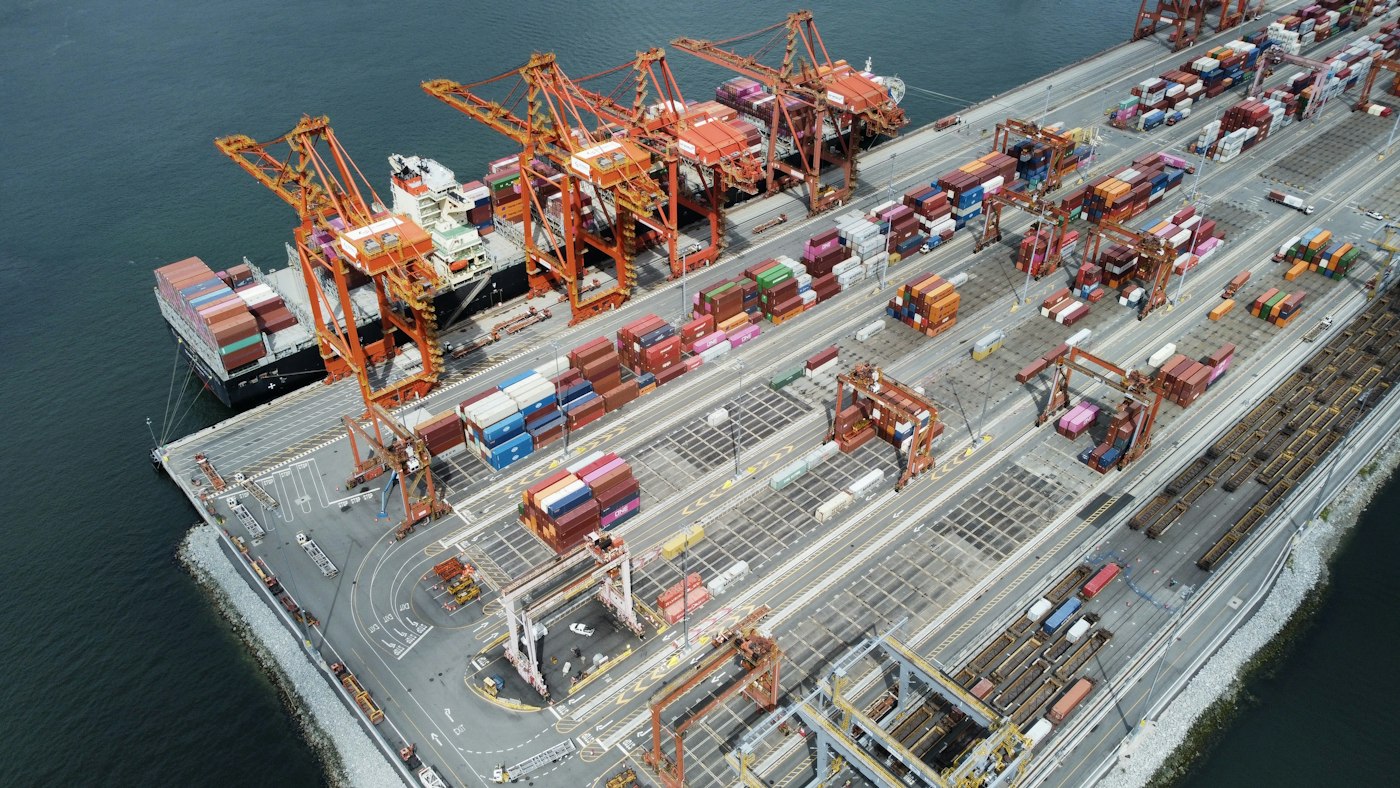
Incoterms are the international rulebook for one question: at which point in the journey does the seller stop paying and stop being responsible, and you start? There are eleven of them. As a housewares importer you'll live inside three, meet two more occasionally, and can happily ignore the rest. Here's the buyer's translation.
The three you'll actually use
EXW — Ex Works: "come get it at our door." The factory's responsibility ends at their own loading dock. You (in practice, your forwarder) arrange and pay for everything: trucking to port, export customs clearance, ocean freight, the lot. EXW quotes look beautifully low because they contain the least — which is exactly why suppliers love quoting them and why comparing an EXW number against an FOB number is comparing apples to engines. The other trap: export clearance is on you, and a small domestic-focused workshop may not even have export rights — a real issue with 1688-sourced goods. EXW makes sense mainly when you're consolidating many suppliers into one shipment and want one party (yours) controlling the whole export.
FOB — Free On Board: "we'll get it onto the ship." The Chinese standard, and the buyer's workhorse. The supplier pays and manages everything to the departure port — inland trucking, export clearance, port handling — and delivers when the goods are loaded on board the buyer-nominated vessel at the named port of shipment. See the ICC explanation of FOB Incoterms® 2020. You pay ocean freight, insurance, and everything after. Why buyers standardize on it: the supplier handles the China-side bureaucracy they're good at; you keep control of the ocean freight, which means your forwarder, your rates, your schedule visibility; and FOB quotes from different suppliers are genuinely comparable, because they contain the same things. My default instruction as a retail buyer, unchanged today: quote me FOB Ningbo, and we'll talk.
DDP — Delivered Duty Paid: "it shows up at your warehouse, done." The supplier handles everything — freight, insurance, import clearance in your country, duties, final delivery. Maximum convenience, and three honest warnings from the buyer's chair. First, you're paying a margin on every service in the chain, usually without seeing any of them itemized. Second, the duty risk sits with someone who has no license to lose in your country — DDP is where under-declared customs values and creative HS codes breed, and when your country's customs disagrees, the goods have your name on them. Third, in a tariff-volatile year, a fixed DDP price is either padded against the volatility or a promise the seller may not keep. DDP has a legitimate home — small trial shipments, buyers with zero import infrastructure — but as a scaled strategy it's convenience purchased at the price of visibility.
The two you'll meet
CIF — Cost, Insurance, Freight: like FOB, but the seller books and pays the ocean leg to your port (plus minimal insurance). Common in supplier proposals because their freight kickbacks — sorry, "relationships" — live there. Fine for beginners without a forwarder; the moment you have your own, FOB returns control and usually money. Watch the classic CIF sting: cheap headline freight, brutal destination charges at your port that were never mentioned.
FCA — Free Carrier: increasingly the technically-correct modern cousin of FOB (especially for containerized goods delivered to the carrier at a named terminal before vessel loading). If a sophisticated counterpart proposes FCA at a named terminal, it's not a trick — it's often cleaner. The buyer's practice barely changes.
The rules that turn letters into money
Normalize before comparing. Every quote in a comparison gets converted to the same term — I convert everything to FOB-equivalent by adding real local charges to EXW quotes and stripping freight from CIF ones. Ten minutes of arithmetic, and suddenly the cheapest supplier changes name more often than you'd expect.
Name the place, not just the term. "FOB" is incomplete; "FOB Ningbo" is a price. FOB Shanghai vs FOB Ningbo vs FOB Shenzhen carry different inland trucking realities for the factory — and for goods from the Guangdong belt, the port choice is a genuine cost line.
Match the term to your machinery. No forwarder, no import experience, tiny trial order → CIF or even DDP, eyes open. A forwarder you trust and repeat volumes → FOB, always. Consolidating a dozen market booths and cluster factories into one container → EXW-to-consolidator under one exporting party. The term isn't a loyalty test; it's a description of who's holding which tools.
Put the term in the PO, next to the tariff clause. Three letters, a named port, and who absorbs duty changes. The quote that omits any of the three isn't a price — it's an opening position wearing one.
Who owns the problem: three scenarios that teach the terms
The letters feel abstract until something goes wrong. Three realistic disasters, and where each term puts you:
Container damaged at sea, FOB order. The supplier is clean — risk transferred when goods crossed the rail in Ningbo. The loss is yours… which is precisely why the cargo insurance line exists, costs a fraction of a percent, and belongs on every FOB booking you ever make. The buyer who "saved" that line just self-insured a container. Also your problem, not the supplier's: the claim paperwork — one more reason your forwarder, not theirs, holds the booking.
Goods stuck at export customs, EXW order. Congratulations: export clearance was yours, and the small domestic workshop you bought from has no export license and no idea how to help. This is the EXW trap in its natural habitat — and the reason EXW only makes sense inside a consolidation structure where your agent is the exporting party and planned for exactly this.
Import seizure over declared values, DDP order. The seller's "agent" under-declared to hit the price they promised you, your country's customs disagreed, and the shipment with your company as consignee is now Exhibit A. The DDP seller is on another continent with nothing to lose in your jurisdiction. The lesson isn't "never DDP" — it's that convenience terms outsource the work but never the accountability, and any DDP price too good against your own duty math has already told you how it was achieved.
Read the three together and the pattern is the whole article: an Incoterm doesn't remove risk — it assigns it. The buyer's job is knowing the assignment before the disaster does.
FAQ
Which Incoterm is "safest"?
Wrong frame — each just draws the risk line at a different kilometer. The unsafe thing is not knowing where your line is, or comparing quotes with lines in different places.
My supplier only quotes EXW. Red flag?
Sometimes it means "we've never exported" — which is worth knowing before the deposit. Ask for FOB; watch whether the adder is honest local-charge math or a fantasy number. The adder tells you about the supplier.
Does insurance come with any of these?
Only CIF/CIP include it, at minimum coverage. Everywhere else, cargo insurance is your line item — small, and worth it.
Holding quotes on mismatched terms? Send them over — WhatsApp +86 189 6983 1554 — and I'll normalize them to one comparable basis within one business day, including the charges nobody itemized. The full landed-cost math
Tell us what you want to source.
Send a product link, a reference photo or a supplier quote. We recommend the next step.
Or WhatsApp +86 189 6983 1554