
Packaging and Retail Readiness: What to Approve Before the Print Run
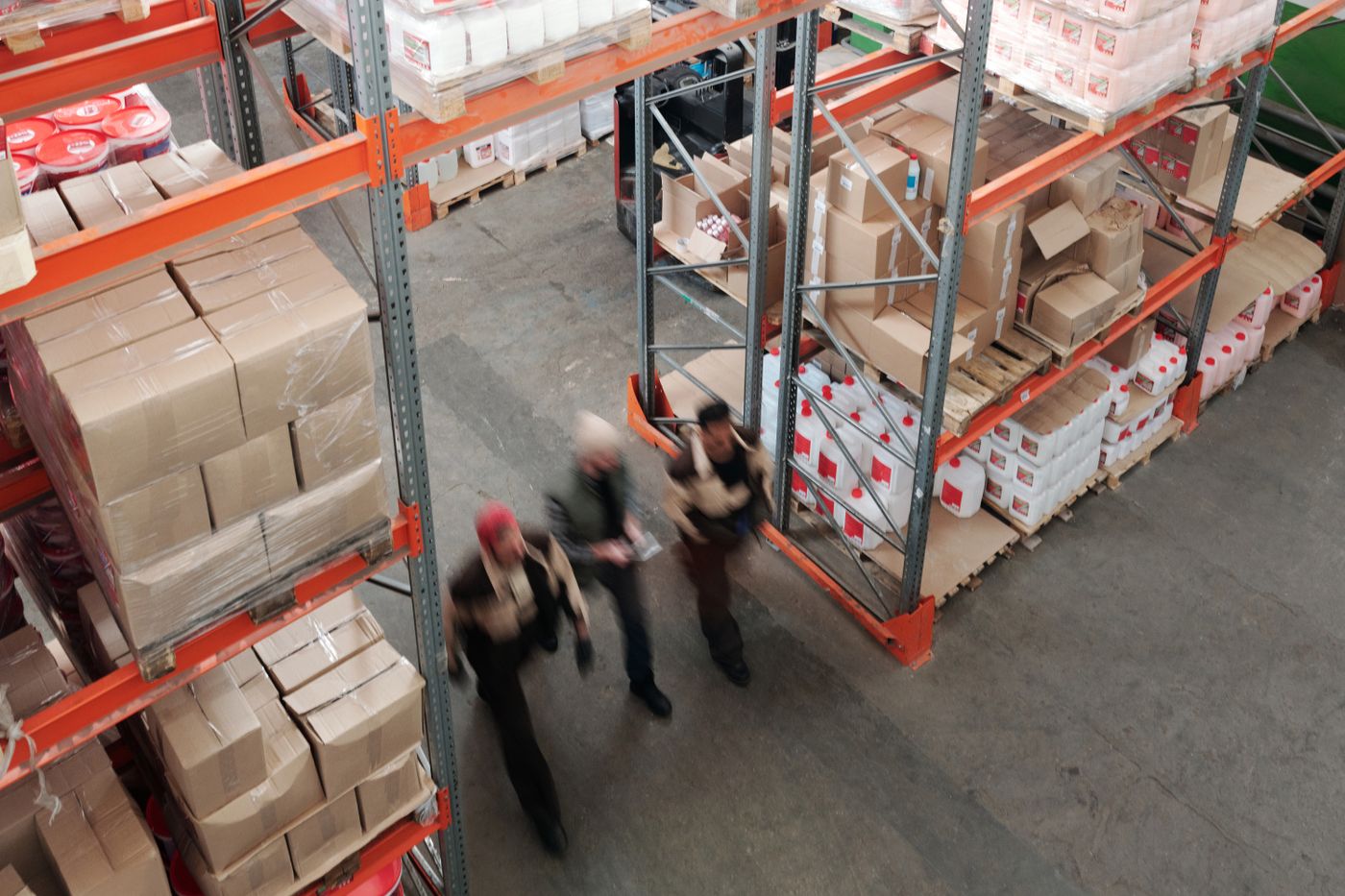
Packaging is the part of a China order most often late and most expensive to redo. Once boxes are printed, every error means a reprint or a sticker job, usually at the destination, where labour costs far more.
This guide covers the decisions to make early, the approval steps, what the printed pack must carry, and the checks before goods are packed.
Decide packaging with the product, not after it
Start packaging during sampling. Printed packaging typically needs two to three weeks after artwork approval, and packaging suppliers have their own minimum quantities. Decide early:
- Pack type: polybag, header card, blister, window box, colour box or gift box.
- Materials and finish: board grade, coating, lamination, window film.
- Dimensions, taken from the final approved sample, not an early prototype.
- Units per inner and per master carton, because they change the carton and the freight.
Artwork approval in five steps
- Dieline from the packaging supplier, drawn to the approved sample's measured dimensions.
- Artwork on the dieline: vector files, fonts outlined, CMYK plus named Pantone spot colours, 3 mm bleed.
- Digital proof, checked against the content list below.
- Physical proof: a printed, folded sample on the real board, with colours checked against the Pantone guide under the same light.
- Written approval of a version number. The same version is named in the purchase order and the spec sheet.
What the printed pack must carry
- Brand, product name, variant, quantity or contents.
- Barcode (GTIN) as EAN-13 or UPC-A, printed at 80–200% of nominal size, with clear quiet zones and dark bars on a light background. Scan it on the physical proof, not on screen.
- Country of origin: "Made in China".
- Manufacturer or importer name and address. For the EU, the General Product Safety Regulation also requires a type, batch or serial number and, for non-EU manufacturers, a responsible economic operator in the EU.
- Warnings and age grading where they apply, for example the under-36-months warning on toys.
- For food-contact items, the glass-and-fork symbol where the use isn't obvious, and dishwasher or microwave claims only if they were tested.
- Sorting and recycling information where required: France has its Triman logo and sorting instructions, and Italy requires material identification codes on packaging.
- The languages required in each market you sell to.
Environmental claims need evidence
- FSC: you may show an FSC claim only if the packaging is supplied with a valid FSC chain-of-custody claim, and using the FSC logo requires a trademark licence. Check the supplier's certificate in FSC's public certificate database, and make sure the certificate holder is the company that prints your boxes.
- "Eco-friendly", "green", "recyclable": the EU's Empowering Consumers Directive (EU) 2024/825 bans generic environmental claims that can't be substantiated, applying from 27 September 2026. Use specific, provable claims instead, such as "carton made from 80% recycled fibre", with the evidence on file.
- Packaging law: the EU Packaging and Packaging Waste Regulation adds documentation and substance limits; see our PPWR guide.
Inner and export cartons
- Five-ply master cartons for heavy or fragile goods; three-ply only for light, robust products.
- Respect channel weight limits, for example 50 lb per carton for Amazon in the US.
- Shipping marks on two sides: your mark, the PO number, carton number of total, gross and net weight, dimensions.
- Size cartons for the container and the pallet, not just the product. See carton engineering.
- Drop-test the packed carton at sample stage, not only at the final inspection.
Retail readiness by channel
- Store retail: shelf-ready trays, hang holes, case packs and labels per the retailer's routing guide.
- Marketplaces and online stores: poly bag warnings, unit labels and carton rules. See preparing products for Amazon, TikTok Shop and Shopify.
Check packaging before goods are packed
When the printed packaging arrives at the factory, check the quantity, the version number, the colours against the approved proof, and scan the barcodes, before packing starts. A common error is an old version of a box going onto a new order. At the final inspection, packaging is checked again against the approved version; see the pre-shipment inspection checklist.
Common packaging mistakes
- Dimensions taken from an early sample, so the final product doesn't fit.
- Artwork approved on screen only.
- A barcode that is too small, low-contrast or printed on a curve.
- Missing languages or legal information, fixed by relabelling at the destination.
- A packaging minimum that forces you to buy far more boxes than products.
- Claims on the box that nobody can prove.
FAQ
Can I use stickers instead of printed boxes for a trial order? Yes. A neutral box with a printed label is a sensible way to test a product, and keeps packaging minimums out of the trial.
Who owns the dieline and the artwork files? You should. Keep the editable files and send the factory print-ready versions only.
How long does printed packaging take? Typically two to three weeks after artwork approval, longer for special finishes, and it runs in parallel with production only if the artwork is approved early.
Need packaging that passes the first time? Our packaging and retail readiness service checks boxes, labels and barcodes before the print run.
Ready to check your China sourcing project?
Send a product link, supplier quote, product photo or rough idea. We will review it first and recommend the next practical step.
Or WhatsApp +86 189 6983 1554