
The Parcel Era Is Over: What De Minimis’ Death Means for Wholesale Importers
For about a decade, the strangest subsidy in world trade was hiding in plain sight: a package under $800 could fly from a Chinese warehouse to an American doorstep and pay nothing at the border. No duty, no formal entry, barely a glance. Meanwhile the importer bringing the same spatula in by the container — paying duty, brokerage, testing, warehousing, and a compliance officer's salary — competed against that parcel on price.
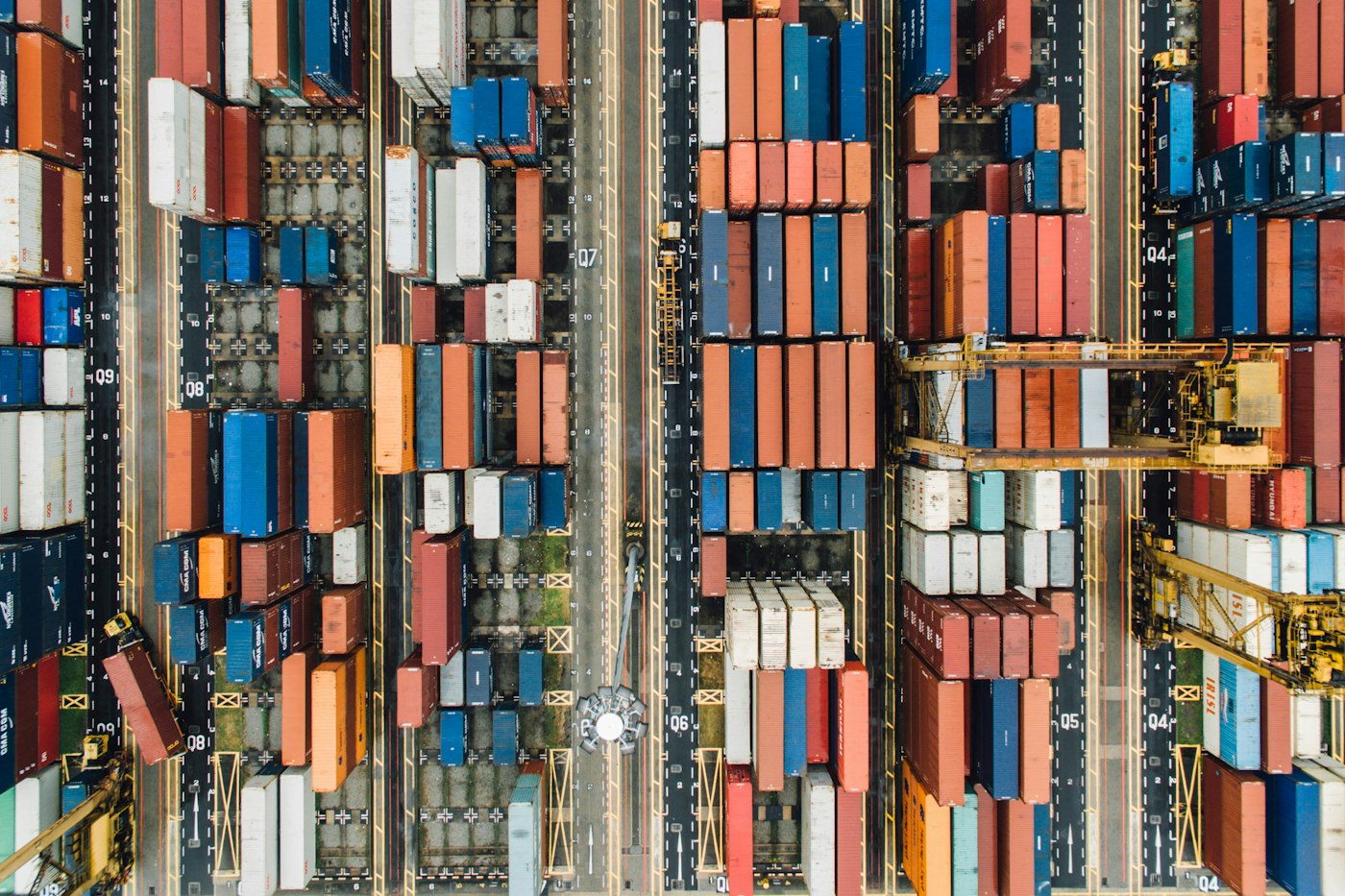
That was the de minimis game, and it wasn't a loophole in the pejorative sense. It was the legal architecture that made the Temu-and-Shein era possible: millions of parcels a day, each individually duty-free, collectively rewriting Western retail in low-value goods.
Duty-free treatment and customs entry type are separate questions. Under CBP’s postal process effective July 24, 2026, eligible merchandise valued at $2,500 or less imported by mail generally uses postal informal entry. CBP’s official postal guidance.
If you import household goods by the container, this is the most underrated piece of good news you've had in years. Here's the buyer's read.
What the loophole actually cost you
Here is the gap the loophole created, with illustrative numbers. A $20 kitchen tool shipped by parcel straight to a US consumer used to enter duty-free under the $800 threshold. The same tool imported by container paid every duty layer on its customs value; at an illustrative 25% combined rate, that is $5 a unit. Your parcel-selling competitor wasn't buying better. They were paying no duty. With the exemption suspended, both routes are subject to the duties applicable to the product and entry. Parcel shipments also require the applicable entry process and may incur carrier, brokerage or customs processing charges.
You weren't losing to a better supply chain. You were losing to a different customs treatment. That's an important distinction, because customs treatments change — and this one just did.
What actually changes at street level
Parcels now pay their way. With the exemption gone, a parcel pays the duty for its product and entry type, and often a carrier or brokerage fee on top. Fixed fees hit cheap items hardest: on the $20 kitchen tool above, an illustrative $10 per-parcel fee costs twice the $5 duty. Price both routes for the same product, quantity and destination, and compare the landed cost per unit.
The platforms adapt — by becoming importers. Watch what Temu and Shein actually do rather than what headlines say: the pivot is toward bulk shipping into local warehouses and "semi-managed" models where goods enter by the container — which means paying the same duties, the same compliance obligations, the same warehousing you already pay. The playing field doesn't become level, exactly. But the tilt you've been standing on for years eases considerably.
EU status checked October 2, 2026. The Council of the EU states that a transitional €3 customs duty on small parcels valued below €150 has applied since July 1, 2026, charged per category of goods rather than per parcel. Its September 2026 update also distinguishes a separate EU handling fee, with its level to be set by the Commission. Before you price an EU parcel model, ask your forwarder how the €3 duty and the handling fee apply to your product categories. Read the Council’s current explanation.
The three moves worth making
Re-run the SKUs you surrendered. Every category manager has a mental list of items they stopped stocking because "you can't compete with the app price." That list was written under the old customs math. Re-price it under the new one — full landed cost, honestly done — and some of those SKUs come back to life. Not all. Some. The ones that do are pure recovered territory.
Ask for evidence, whatever the channel. For a parcel offer or a container order, check whether the supplier can provide batch identification, the agreed inspection findings and applicable test documentation. Check that each document names your product, its material and your supplier, and covers your market: a food-contact report issued to another factory, or for another material, proves nothing about your goods.
Watch your own suppliers' order books. Factories that fed the parcel channel are hungry for container orders as that channel repriced — which shows up as aggressively falling quotes. Take the meeting, take the price, and inspect like you mean it: hungry factories are where spec erosion breeds.
The scale nobody quite absorbed
It's worth pausing on how big the thing that just ended actually was. At its peak, the de minimis channel moved on the order of a billion-plus parcels a year into the US — the majority China-linked — each one legally invisible to duty and mostly invisible to product-safety screening. Customs agencies didn't tighten this regime out of protectionist theory; they tightened it because the parcel wall physically broke their inspection model. A container manifest names one importer of record who owns the compliance; a million polybags name nobody. That asymmetry — accountability versus anonymity — was always the real subsidy, and it's the part your business never could copy even if you'd wanted to.
What to say to your own customers
If you supply retailers or marketplace sellers, tell them before they order which documents come with the goods: the test report, the inspection report and the batch number. Put the batch number on every document, so a complaint can be traced to one production run. If a customer asks for a test you haven't done, say so and quote the cost of doing it; never promise a compliance file you don't have.
The honest caveats
Two, because this is analysis and not cheerleading. First: the legal machinery here has been rebuilt twice in eighteen months and litigated continuously — build strategy on the direction, not on any single rule's permanence, and keep a tariff-and-terms clause in your prices either way. Second: the parcel era trained a generation of consumers to expect impossible prices. Those expectations don't reset just because the customs form changed. The opportunity isn't that cheap disappears — it's that honest finally competes on something closer to honest math.
The useful comparison is the complete product offer: specifications, landed cost, documented checks and agreed remedies. Use those items to compare suppliers, rather than treating the sales channel as proof of compliance.
Reviewing the landed cost of a product order? Send the product specifications, target quantities, destination and current quotation on WhatsApp +86 189 6983 1554. We will identify missing information and confirm the scope and response time before comparing costs. Use the free Kitchenware Import Toolkit to organize the supplier and product evidence.
Tell us what you want to source.
Send a product link, a reference photo or a supplier quote. We recommend the next step.
Or WhatsApp +86 189 6983 1554